Coves and calm water
A gentle coastal line with shorter runs, protected anchorages and time left open for swimming or an unhurried lunch.
Best for: relaxed half or full days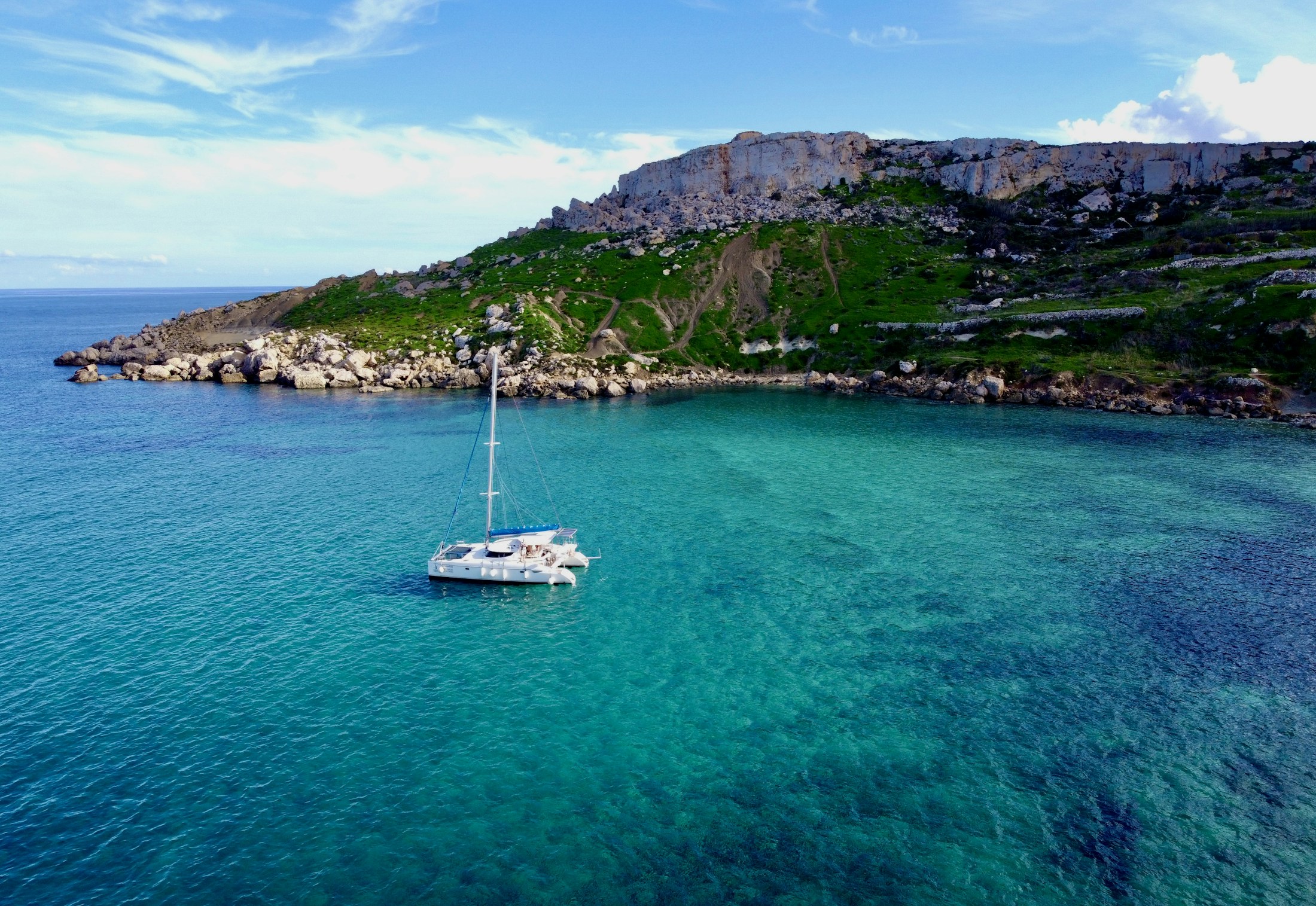
Coastal passages · Built around the day
Search the published route desk, then let weather, water and the people aboard turn a line on the chart into your own day away.
Read the water
Choose the feeling first: sheltered water, a longer island run or the last light of the day. Our route notes provide a practical starting point. The final plan follows current conditions, marina access, vessel range and how your group wants to spend its time.
Search by place or route name. Published results are planning references, not held departures, and final timing is always confirmed with the crew.
We are requesting the current published routes from the charter service.
Published route data is read live through the Ramblin Man service proxy. Availability, stops and timing remain subject to vessel, crew, weather and operating conditions.
Three rhythms
These are route shapes rather than fixed packages. Each can be shortened, slowed down or expanded after the charter desk understands your group.
A gentle coastal line with shorter runs, protected anchorages and time left open for swimming or an unhurried lunch.
Best for: relaxed half or full daysA longer stretch underway with wide views, a destination ashore and a return route planned around wind, tide and daylight.
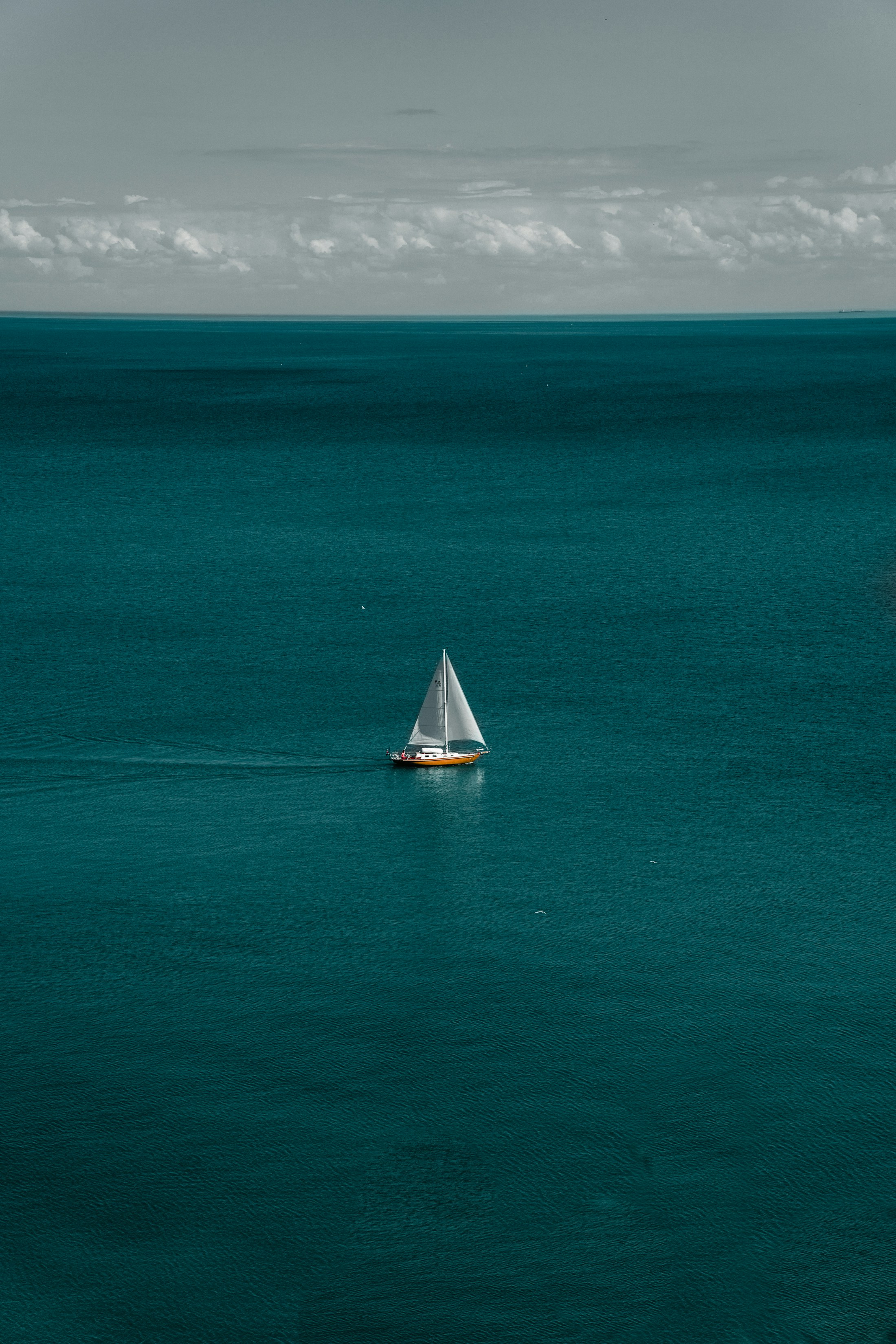
Best for: full-day explorationA late departure that trades a long itinerary for soft light, open-water views and an easy ride home after dusk.
Best for: evenings and small celebrations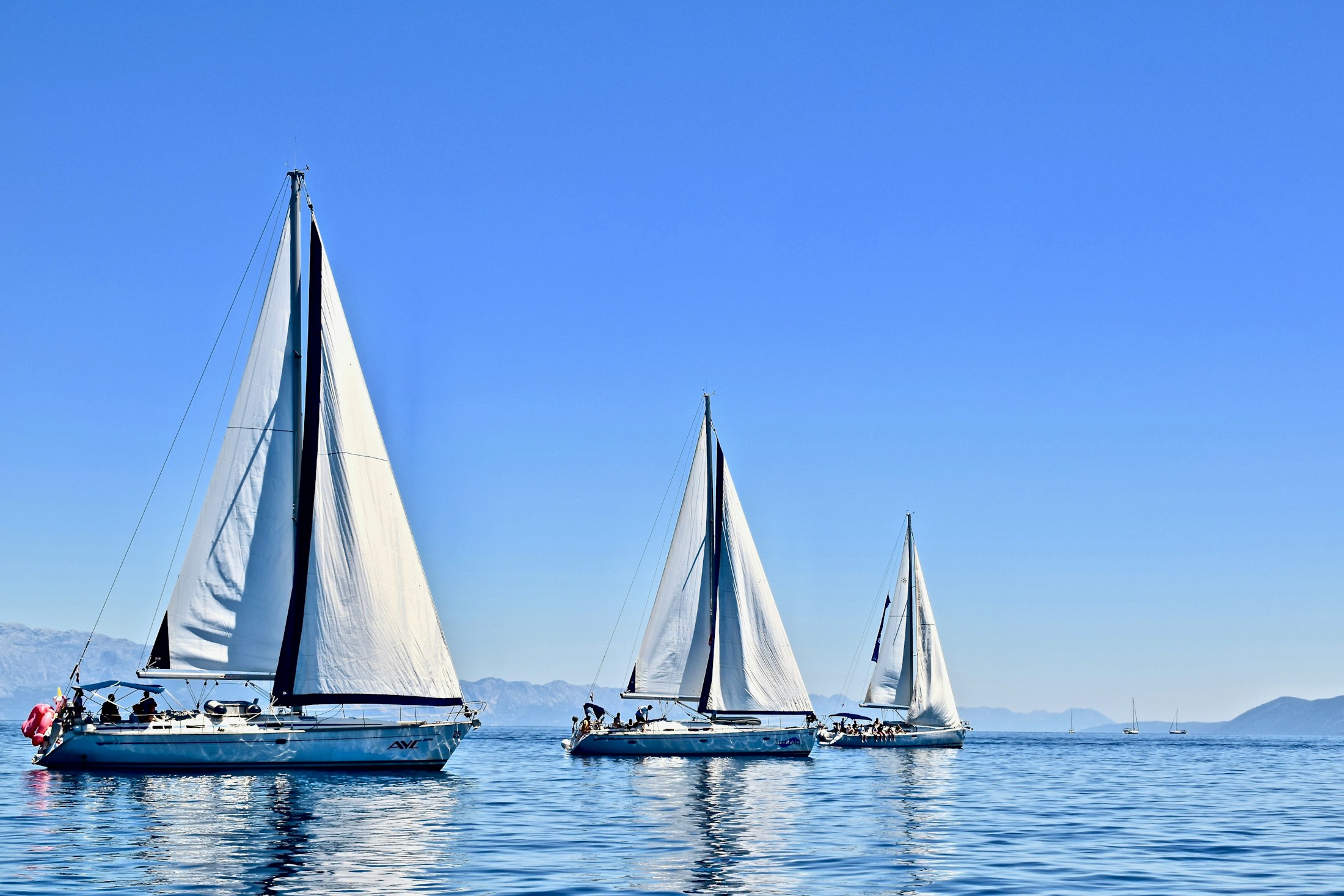
How a line becomes your day
Distance matters, but it is rarely the first question. Comfort, appetite for time underway and the moments you want ashore create the useful route.
A swim, an island lunch, uninterrupted horizon or simply time together gives the plan its center.
Guest count, onboard space and time underway determine which vessel makes the route comfortable.
Marina access, tide, weather and local notices shape the safest and most enjoyable line.
Your voyage note sets the intended course while leaving the captain room to respond to the water.
The chart is not the water
The captain reviews local conditions before departure and may choose protected water, a different sequence of stops or a better departure window.
A published duration is a planning guide. The crew will not rush a passage or preserve a stop when conditions make another choice more responsible.
Dock availability, seasonal rules and destination access are checked as part of the final voyage plan rather than assumed from a map.
A route of your own
Bring a date, your group and one place or feeling you do not want to miss. The charter desk will turn that into a practical next step.
Start a route conversation